-
IPEG IDP Protection- Concept note 2021
12 Apr 2023 Enhancing protection in situations of internal displacement through coordinated, collaborative and targeted support. -
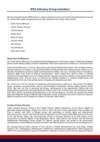
IPEG Advisory Group members
12 Apr 2023 -
UN Fleet: Optimised Fleet Services for the UN
5 Apr 2023 UN Fleet is set up as a partnership, where WFP and UNHCR provide the services, and agencies using the services have a key role to play in shaping the fleet solutions to better respond to UN partners' needs -
Concept note: UNHCR Regional Consultations with NGOs and civil society on "Solutions with a focus on Inclusion, and Gender Equality"
31 Mar 2023 -
Refugee transitions from education to employment: perspectives from Pakistan and Rwanda
20 Mar 2023 This article provides a first-person account of some key moments in the educational journeys and transitions of the authors, Rozina Zazai & Aimeé Mukankusi, both of whom have refugee status. -
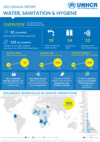
2022 WASH Annual Report
20 Mar 2023 The 2022 annual report provides an overview of WASH service provision in the UNHCR's operations. It highlights achievements in UNHCR's global efforts to ensure universal and equitable access to water, sanitation, and hygiene services that are environmentally sustainable to refugees and the host communities. -
Forcibly displaced women in higher education: investing in an inclusive and sustainable future
13 Mar 2023 -
2023 UNHCR Quarterly Consultations with NGOs Information Note
9 Mar 2023 -
UNHCR WASH - Practical Guidance for Refugee Settings
7 Mar 2023 The UNHCR WASH Manual (7th Edition, February 2020) is the result of an open and collaborative process with WASH actors who have active programmes supporting refugees. It has been written primarily for use by UNHCR staff, WASH actors, national governmental authorities, emergency response coordinating bodies, contingency planners, and programme evaluators, and is a useful reference for any individuals or organisations involved in providing WASH services in refugee settings.